
Effective Dandruff Treatments That Will Help You Achieve Flake-Free Hair
Introduction
Dandruff can be embarrassing, causing itchy flakes that settle on your shoulders and leave you feeling self-conscious. It’s a problem that affects many people, yet it’s often misunderstood. But the good news is, it’s treatable! In this blog, we’ll explore the most effective dandruff treatments that can help you achieve a flake-free scalp. Whether you\'re dealing with mild irritation or severe flakes, you’ll find useful information here to restore your confidence and your scalp’s health.
1. Understanding Dandruff: Causes and Triggers
Before jumping into treatments, it’s important to understand what causes dandruff. It’s more than just a dry scalp—dandruff is often linked to an overgrowth of a yeast-like fungus called Malassezia that feeds on the oils produced by your skin. Other common causes include:
- Dry Skin: In colder weather, dry air can lead to flaking.
- Oily Scalp: An oily scalp can also cause dandruff, as the excess oil encourages the growth of Malassezia.
- Skin Conditions: Conditions like eczema and psoriasis can cause dandruff-like symptoms.
- Hair Care Products: Some shampoos or hair products with harsh chemicals can worsen dandruff.
Understanding the root cause of your dandruff will help you pick the right treatment. Dr. Sweta Sinha at Alana Clinic can guide you in selecting the most effective solution for your unique needs.
2. Medicated Shampoos: Key Ingredients to Look For

The first line of defense against dandruff is often a medicated shampoo. These shampoos contain active ingredients that help control fungal growth and reduce scalp irritation. Some key ingredients to look for include:
- Zinc Pyrithione: This ingredient fights the Malassezia fungus and reduces scalp inflammation.
- Ketoconazole: An antifungal agent that targets dandruff at the root cause, providing long-term relief.
- Selenium Sulfide: Helps reduce oil production and control dandruff, especially in greasy scalps.
- Coal Tar: Slows down skin cell turnover, which can reduce flaking and itching.
Make sure to use these shampoos regularly for the best results.
3. Natural Remedies: Tea Tree Oil and Aloe Vera
For those looking for natural alternatives, tea tree oil and aloe vera are two of the best remedies for dandruff. These ingredients are known for their antifungal and soothing properties, respectively:
- Tea Tree Oil: Tea tree oil can help reduce the Malassezia fungus and soothe irritation. Mix a few drops with a carrier oil like coconut or olive oil and apply it to your scalp for 15 minutes before washing.
- Aloe Vera: Aloe vera is known for its anti-inflammatory properties, which can soothe the itchy, irritated scalp. Apply fresh aloe vera gel directly to your scalp, leave it on for 20 minutes, and rinse with lukewarm water.
These remedies are gentle on the scalp and can offer relief from mild dandruff.
4. Apple Cider Vinegar: A Natural Balancer
Apple cider vinegar (ACV) is a natural solution that balances the pH of your scalp and helps fight dandruff-causing fungi. ACV’s acidic properties can break down the buildup of dead skin cells and oils. To use:
- Mix one tablespoon of ACV with one cup of water.
- Pour this mixture onto your scalp after shampooing, massaging it in for a few minutes.
- Let it sit for 5-10 minutes before rinsing thoroughly with water.
This treatment works best once or twice a week to restore your scalp\'s natural balance.
5. Maintain a Healthy Diet for a Healthier Scalp
Your diet can significantly affect your scalp\'s health. A balanced diet with essential nutrients can help reduce dandruff and promote healthy hair. Here are some important nutrients to include:
- Omega-3 Fatty Acids: Found in fish, flaxseeds, and walnuts, omega-3s help maintain healthy skin, including your scalp.
- Zinc: A deficiency in zinc can worsen dandruff. Foods like pumpkin seeds, nuts, and spinach are rich in zinc.
- B Vitamins: Biotin and Vitamin B6 help maintain healthy skin and hair. Include eggs, avocados, and whole grains in your diet for a vitamin boost.
- Probiotics: Yogurt and kefir can promote a healthy gut, indirectly improving scalp health.
Eating a nutrient-rich diet can enhance your overall hair and scalp condition, reducing dandruff.
6. Regular Scalp Care: Shampoo and Brush Consistently
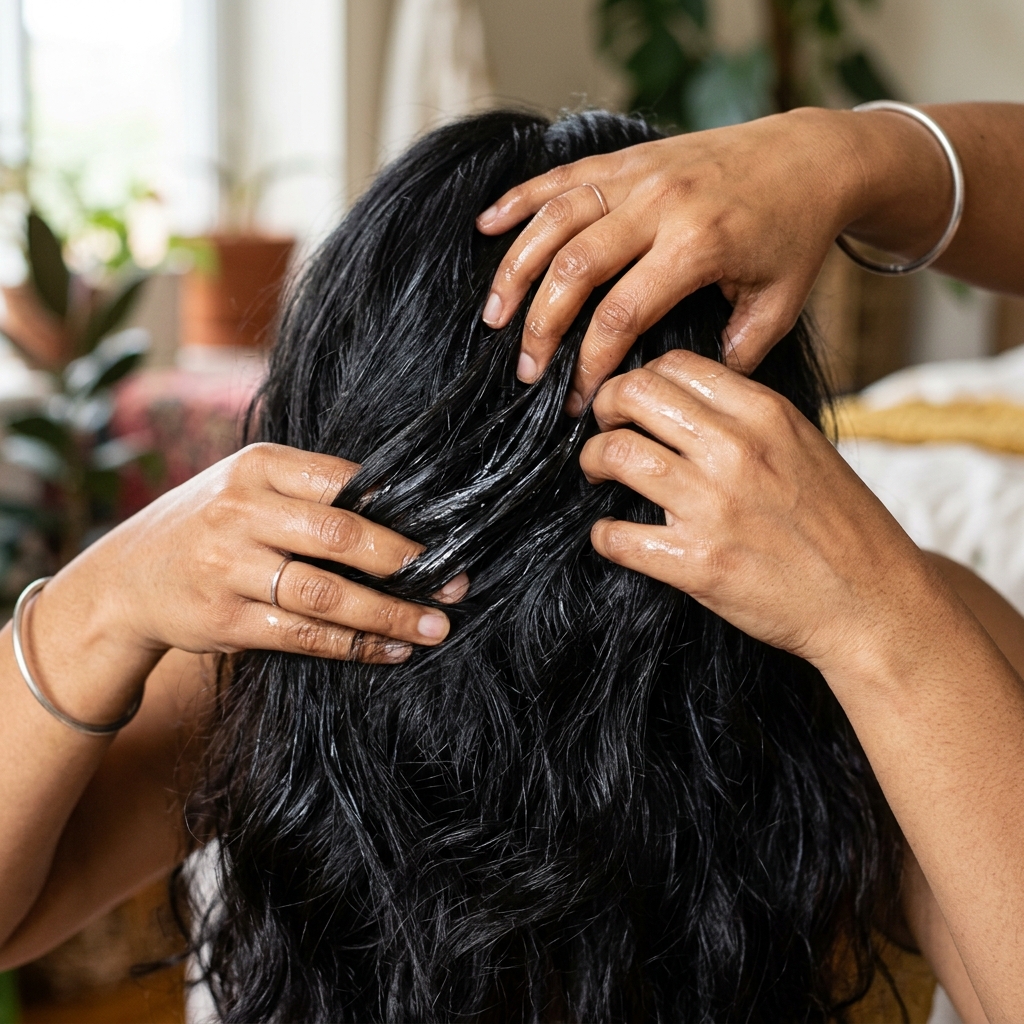
A consistent scalp care routine is key to managing dandruff. Here are some steps you can follow:
- Shampoo regularly: Wash your hair at least 2-3 times a week with a gentle dandruff shampoo.
- Avoid harsh chemicals: Some hair products contain sulfates or alcohol, which can dry out your scalp and worsen dandruff. Stick to gentle, sulfate-free shampoos.
- Brush your hair: Brushing helps distribute natural oils across the scalp and prevents dead skin cells from clumping together.
By following a simple hair care routine, you can keep your scalp clean and reduce dandruff buildup.
7. When to Seek Professional Help
While home treatments can be effective for mild dandruff, persistent or severe cases may require professional care. If your dandruff doesn’t improve after trying over-the-counter treatments or natural remedies, it might be time to see a dermatologist or trichologist. They can:
- Prescribe stronger medicated shampoos or topical treatments.
- Offer professional scalp treatments like chemical peels or light therapy.
- Address any underlying skin conditions that may be causing your dandruff.
Alana Clinic in Ghatkopar East, Mumbai, specializes in skincare and hair treatment services with a personalized approach. Led by Dr. Sweta Sinha, a highly skilled Cosmetologist and Trichologist, the clinic focuses on evidence-based treatments to achieve long-term results.
Our Services Include:
- Skin Aesthetics: Anti-aging, acne, and pigmentation treatments.
- Hair Aesthetics: Specialized hair fall treatments, scalp care, and hair growth therapies.
- Laser Treatments: Skin toning, hair removal, and pigmentation solutions.
- Bridal and Pre-Wedding Glow: Custom treatments for brides and grooms.
- Consultation: for hair and skin issues tailored to individual needs.
FAQs
You can usually see improvements within 2-4 weeks of using medicated shampoos or natural remedies. If there’s no change, consider consulting a professional.
While dandruff itself doesn’t directly cause hair loss, scratching or severe irritation can lead to hair thinning. Persistent dandruff may also be linked to other scalp issues that can affect hair growth.
Natural remedies can be effective for mild to moderate dandruff, but severe dandruff may require prescription-strength treatments.
It’s recommended to wash your hair 2-3 times a week with a dandruff shampoo. Over-washing can strip the scalp of natural oils, making dandruff worse.
Yes, stress can trigger or worsen dandruff by affecting the immune system and increasing oil production on the scalp.
Conclusion
Managing dandruff doesn’t have to be a constant battle. With the right treatments, whether it\'s medicated shampoos, natural remedies, or professional scalp care, you can regain control of your scalp health. If you’re struggling with persistent dandruff or need personalized treatment, consider booking a consultation at Alana Clinic. Dr. Sweta Pradeep Sinha and her team will help you find a solution tailored to your unique scalp needs. Don’t let dandruff control you—take action today for a healthier, flake-free scalp!